
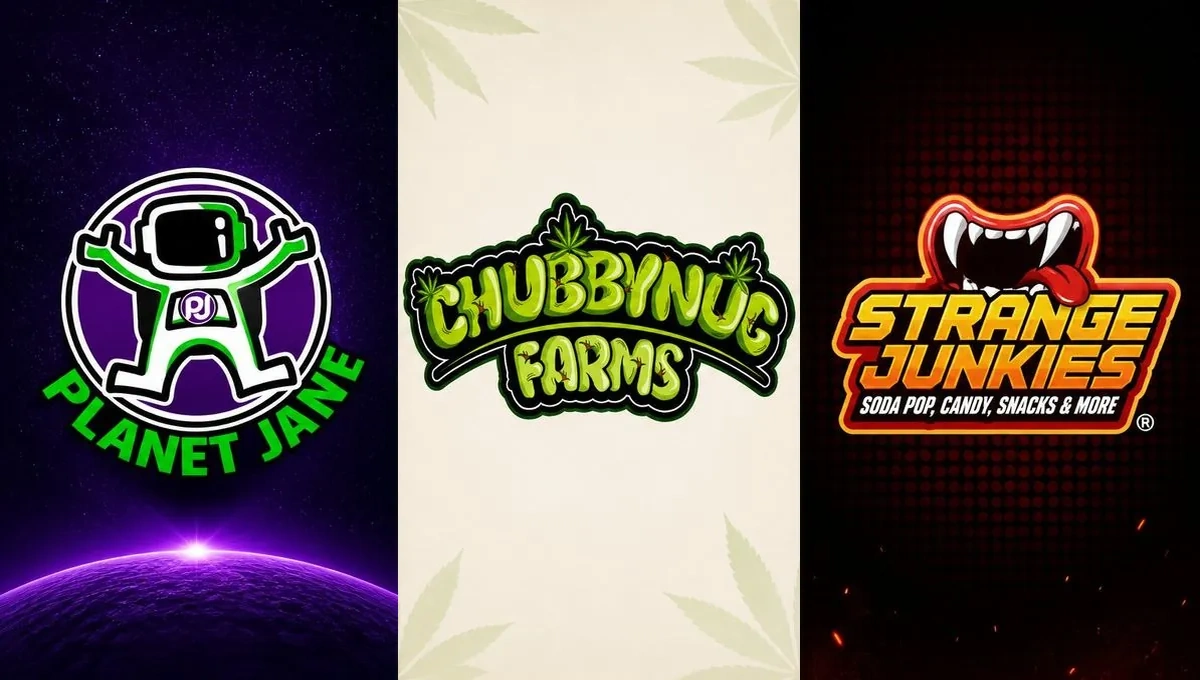
Digital artwork
Designed on screen
Digital artwork can look excellent at normal size. Before production, we still check line quality, lettering, resolution and the requirements of the final product.
AI-generated artwork can be an excellent starting point. So can a Canva export, a screenshot or an older logo file. Our job is not to judge how the artwork was created. Our job is to make sure the file is suitable for the product you want us to make.
A file can look clean at normal phone or laptop size while still containing details that become obvious when the same artwork is enlarged for signage, apparel, packaging, banners or vehicle graphics.
AI artwork is not automatically bad artwork. Some files need little or no correction. Others need cleanup or recreation. We inspect the actual file and intended finished size instead of making assumptions.
Both panels use the exact same Fresh Work Factory portfolio image. The right copy was intentionally reduced to 240 × 136 pixels to demonstrate what happens when a small source file is asked to do a larger job.
Digital artwork can look excellent at normal size. Before production, we still check line quality, lettering, resolution and the requirements of the final product.
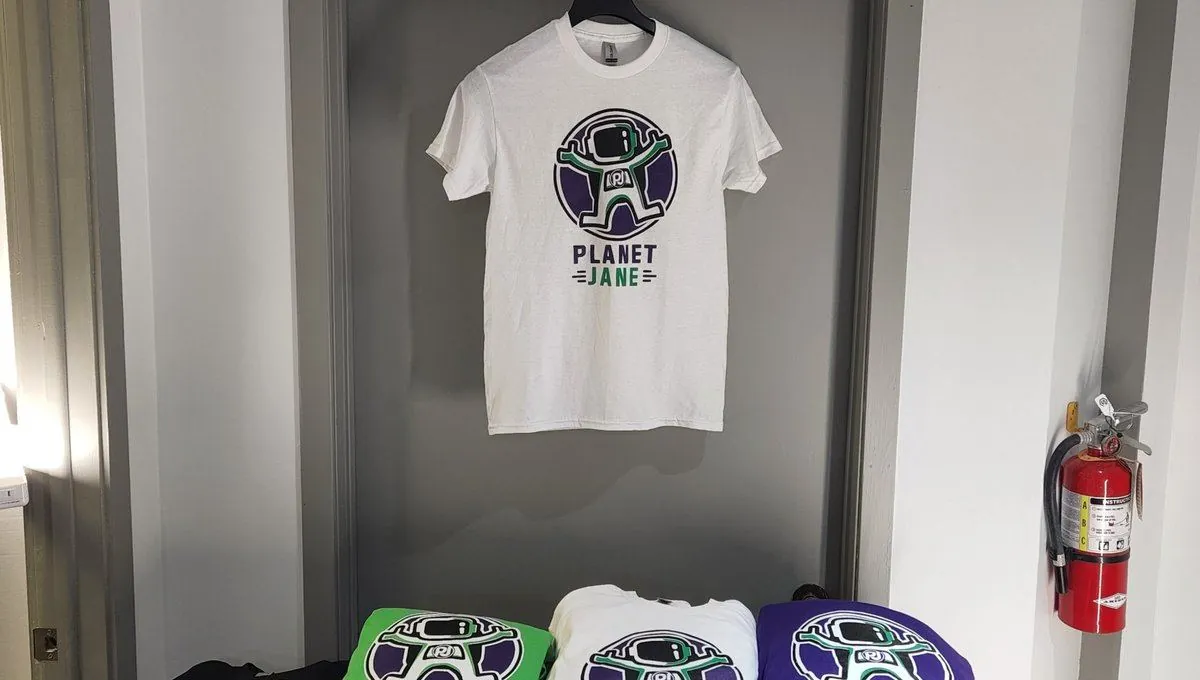
The same visual identity has to survive a very different environment when it becomes printed apparel. Production preparation is the bridge between concept and finished piece.
These concerns are not unique to AI. They can appear in screenshots, compressed JPEGs, old web graphics and customer-supplied files of all kinds.
Malformed characters, tiny type and uneven spacing may be easy to miss until the artwork is viewed or produced larger.
Small deviations in a logo become much more noticeable on apparel, storefront signage, packaging and other repeat brand applications.
Hair, borders, shadows, line art and object outlines can contain soft transitions or artifacts that need attention at production scale.
A large pixel count does not always mean the file contains enough genuine detail for the finished size.
Screen color and subtle tonal detail can reproduce differently depending on material, print method, lighting and finishing.
A file suitable for a three-inch sticker may not be suitable for a ten-foot wall graphic without additional preparation.
Automated enlargement is useful, but it cannot reliably restore every detail that was never present or correct every distorted element.
Software estimates new pixels from what is already there. That can improve some artwork, but it can also preserve or magnify existing problems.
When necessary, artwork can be cleaned, redrawn, vectorized or adjusted specifically for the physical product being produced.
The farther artwork moves from its original viewing size, the more important clean source information and correct preparation become.
Small-format pieces may tolerate artwork that would not hold up when enlarged across a larger physical surface.
Edges, text and textures become easier to see, and the effective resolution of the original file matters more.
Large-format production exposes weak details quickly. Some files need intentional reconstruction rather than simple enlargement.
We do not automatically rebuild every generated or low-resolution image. We evaluate what the real job requires first.
We inspect the supplied file and the best available original version.
We evaluate the artwork in context of the intended finished dimensions.
Resolution, type, logos, edges, artifacts, color and important details are checked.
Some files need nothing. Others may benefit from cleanup, vectorization or recreation.
The final production artwork is optimized for the actual product and process.
Send the best version you have and tell us what you want to make. We would rather inspect the real file than have you guess about DPI, vectors or enlargement.
An original PNG, PDF, SVG, EPS or source export is usually more useful than a screenshot.
Artwork cannot be judged properly without knowing whether it will be three inches or ten feet wide.
A clean original logo can replace an inaccurate or compressed version inside another image.
Artwork review is part of professional production. We can tell you what actually needs attention.
Fresh Work Factory will make reasonable efforts to identify visible production concerns before manufacturing. Final output quality also depends on the characteristics of the artwork supplied to us.
AI-generated, compressed, screenshot, low-resolution or heavily enlarged files may require additional preparation to achieve the best practical result. Some concerns only become obvious when a file is inspected at its intended production size.
When substantial correction, recreation or design work is recommended, we will communicate that whenever practical before proceeding with that additional work.
Not sure whether your image is ready? Send it anyway. We can review the file and help determine what, if anything, needs preparation.
No. Some generated artwork is perfectly usable for its intended application. We judge the actual file, finished size and production method.
Sometimes. In other cases, enlargement only makes the existing limitations larger. Targeted cleanup or reconstruction can be the better solution.
A phone displays a large image in a small physical area. Production can spread those same details across feet instead of inches, making subtle defects easier to see.
Send the highest-quality original version available. Vector files are often ideal for logos and line art; original high-quality raster exports are better than screenshots.
When meaningful correction or recreation is recommended, we can explain what is needed before substantial additional artwork work is performed.
You do not need to understand resolution, vectors or production scaling before contacting us. Tell us what you want to make and send the best file you have.